Crafts & Artisans
Living traditions passed through generations
The craft traditions of Northern Thailand are not museum pieces—they are living practices that continue to evolve while honoring ancestral knowledge. The artisans we work with are masters of their crafts, and they welcome the opportunity to share their skills with respectful learners.
Craft Traditions We Share
Textile Arts
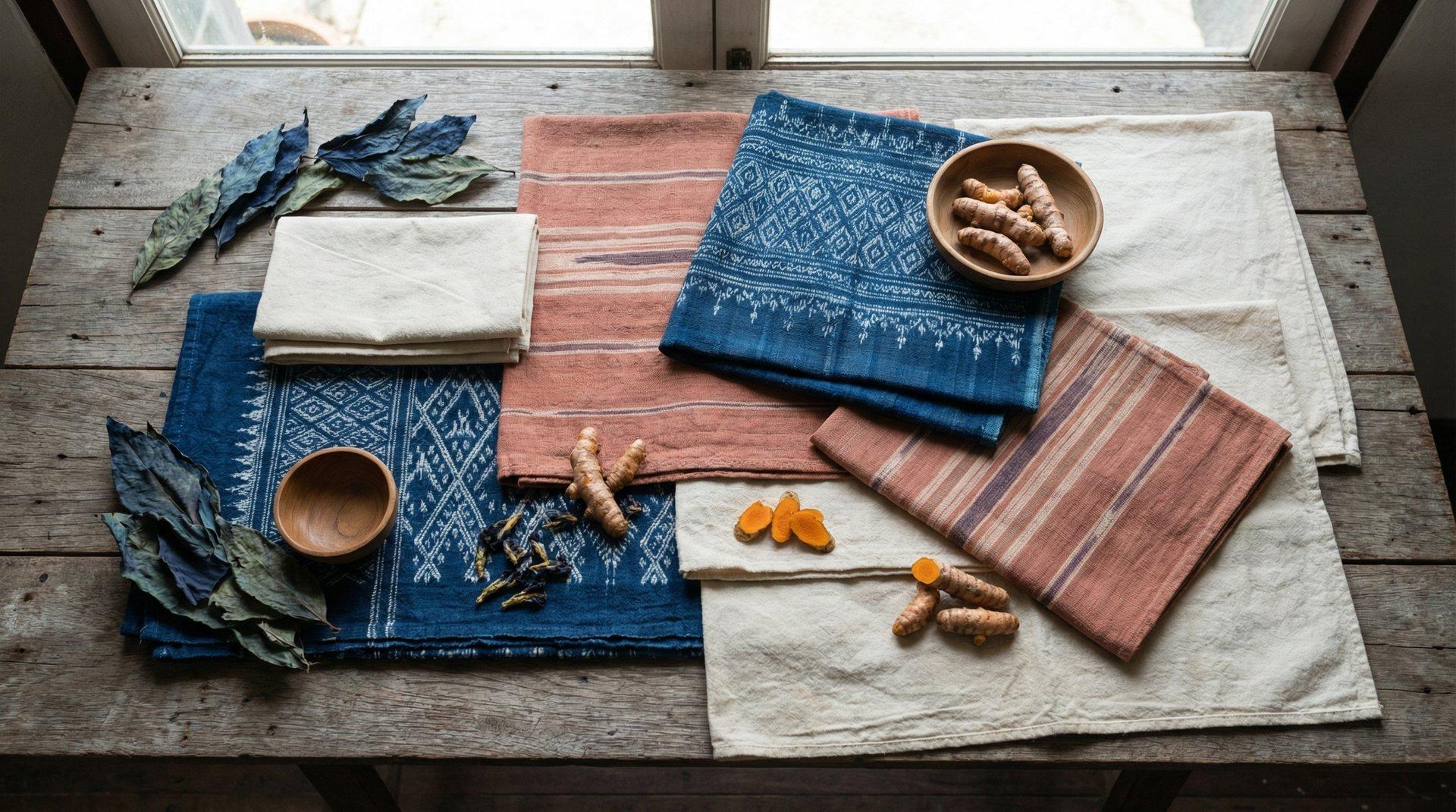
Northern Thai textile traditions encompass cotton and silk weaving, natural dyeing with indigo and forest plants, and intricate pattern work that carries cultural meaning. Each textile tells a story through its colors, patterns, and techniques.
Pottery & Ceramics
Local clay traditions include both functional pottery for daily use and decorative pieces featuring Northern Thai motifs. Techniques range from hand-building to wheel-throwing, with firing methods passed down through families.
Bamboo & Basketry
Bamboo weaving creates everything from rice baskets to decorative art. Artisans harvest bamboo sustainably from nearby forests and transform it through splitting, soaking, and intricate weaving patterns.
Natural Dyeing
Plant-based dyes create the rich colors of Northern Thai textiles. Indigo fermentation, mud dyeing, and forest plant extraction are all part of this ancient color palette, with each dye requiring specific knowledge and timing.
Our Artisan Partners
Meet some of the skilled craftspeople who share their knowledge
We work with artisan families and cooperatives in Mae Taeng and Chiang Dao who have chosen to open their workshops to respectful visitors. These partnerships are built on mutual respect, fair compensation, and a shared commitment to preserving craft traditions.
Our Approach to Collaboration
Artisans set their own schedules and boundaries for visitor participation
All experiences are compensated at rates determined by the artisans themselves
We limit group sizes to ensure quality interactions and prevent workshop disruption
Cultural context and storytelling are as important as technical skill-sharing
Long-term relationships mean we return to the same artisan partners season after season
Supporting Living Traditions
Traditional crafts face challenges from mass production and changing economic realities. By participating in these experiences, you directly support artisan livelihoods and help demonstrate that traditional skills have value in the modern world. Many of the artisans we work with are training the next generation, and your participation helps make that possible.